Drain Testing in London: Find Out What Is Happening Underground

A drainage problem is difficult to resolve when the pipework is hidden. If you are concerned about a leak, planning building work or buying a property, the right investigation can help you understand the condition of the drains before deciding what to do next. Hampshire Drain Expert can discuss your requirements for drain testing in London and establish whether the concern calls for a visual inspection or a formal test.
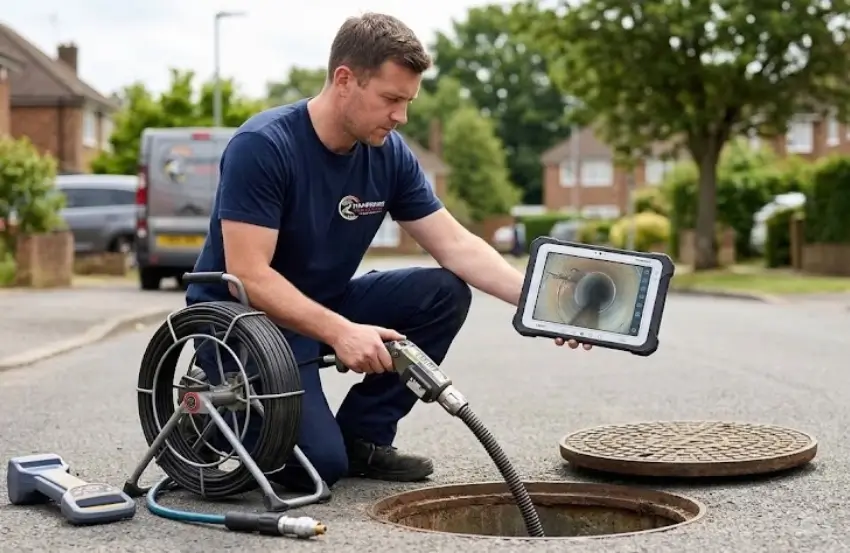
CCTV Drain Surveys Hampshire using a drain inspection camera to identify pipe problems

Understanding the Right Type of Drain Investigation

A CCTV drain survey shows visible conditions inside accessible pipework, such as cracks, displaced joints, roots and obstructions. A drain integrity test examines whether an isolated section holds air or water under a specified test procedure. These are different checks, and one does not automatically replace the other. Depending on the property and the reason for the enquiry, you may be asking about drain pressure testing, residential drain testing, commercial drain testing, or a pre-purchase drain survey.
If you need a drain survey in London for recurring problems, our existing CCTV inspection service may also help with blocked drain diagnosis. Tell us what has happened, what documentation you need and where the property is; we will discuss the appropriate next step and London availability.

What is drain testing?

Drain testing checks a defined section of drainage pipework for evidence of leakage. The section is isolated and assessed using a procedure appropriate to the pipework and the purpose of the test. It can be relevant to newly installed drains, suspected leaks or work requiring an inspection record.
A camera survey answers a related but different question: what can be seen inside the drain? CCTV footage can identify visible defects and help locate an obstruction. A pipe may still need a separate watertightness test where proof of integrity is required. Equally, an unsuccessful test may call for further investigation to locate the cause; the result alone does not show precisely where a defect lies.
The suitable method depends on access, pipe material, the section being assessed and any requirements set by the relevant inspector or project specification.
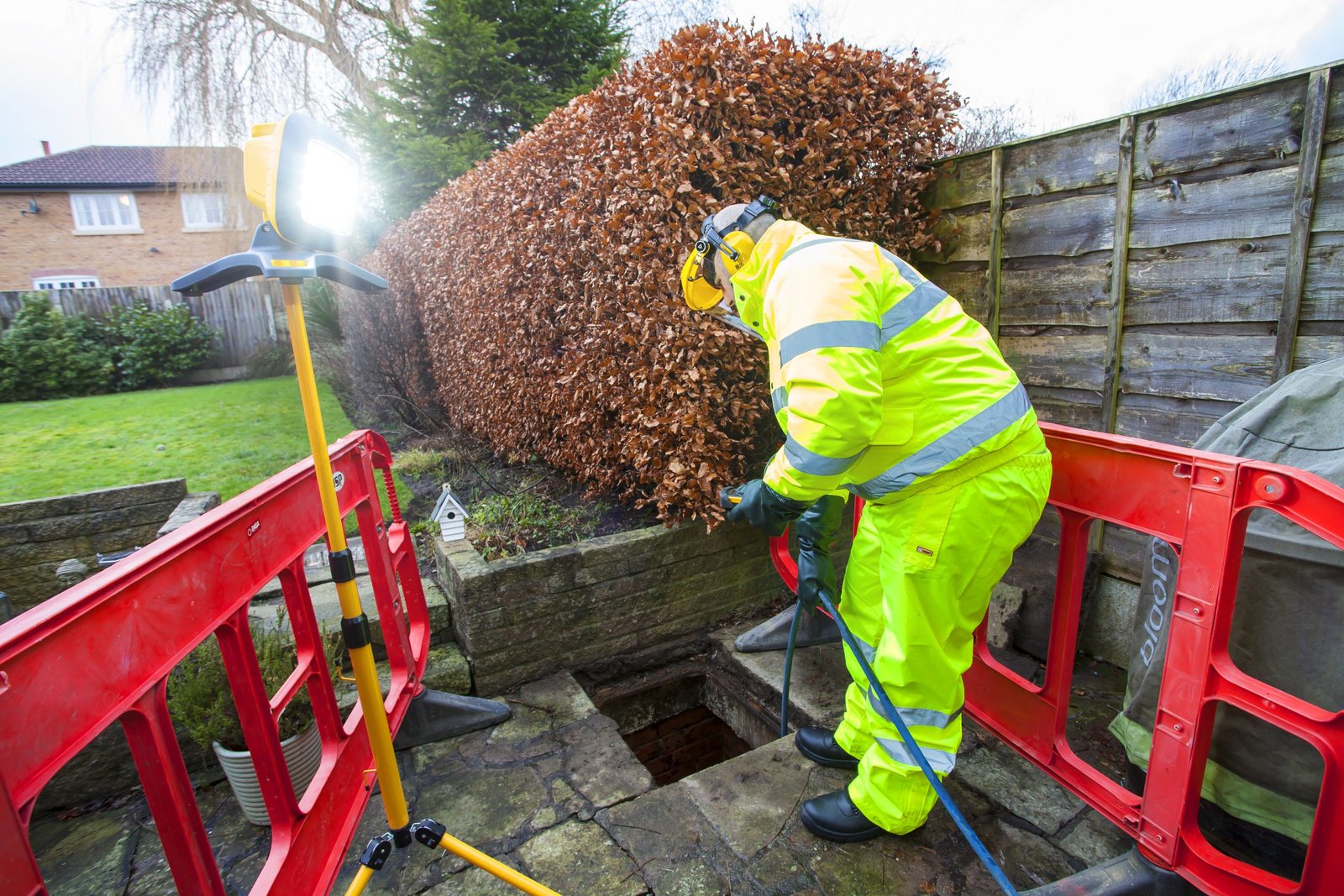
A technician in high-visibility safety gear working on outdoor drain inspection and clearance using specialist equipment next to a residential hedge.

Which Drain Testing Method Is Appropriate?

Air Pressure Testing

An air test checks an isolated section by introducing air and observing its behaviour over the procedure specified for the work. It can be used when the pipework and site conditions make it suitable. A failed result calls for investigation; it should not be treated on its own as proof of a particular defect or its location.

Water Pressure Testing

A water test uses water to assess an isolated section under the applicable procedure. It may be considered where the specification calls for it or where another result needs checking. The setup and interpretation depend on the drainage system and the test requirements.

Dye Testing

Dye can help trace the path of water between a particular inlet and outlet or investigate a suspected connection. Dye tracing is not, by itself, proof that a drain is watertight. Its usefulness depends on access and on the question the investigation needs to answer.

CCTV Survey Integration

A CCTV drain survey provides visual evidence from inside accessible pipes. It may reveal cracks, displaced joints, root intrusion, deposits or a blockage, and can help guide the next investigation or repair decision.

Pipe Integrity Assessment

A drain integrity test examines whether an isolated section holds air or water under a specified test procedure. This provides a separate assessment from a visual CCTV inspection.

Test Scope & Findings

Ask about the scope when booking: Which pipe runs will be inspected or tested? Which method is proposed? Will you receive the findings in a form suitable for your buyer, contractor, insurer or inspector?
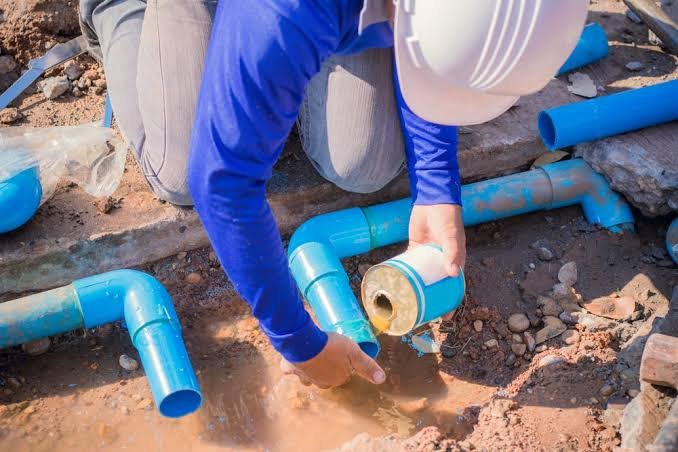
Plumber wearing a white hard hat applying adhesive to connect blue PVC drainage pipes in an excavated outdoor trench.

Emergency drainage enquiries for homes and businesses

An overflowing drain at home can prevent normal use of the property. At a business, it may affect staff, customers or access to essential facilities. Hampshire Drain Expert’s published site describes residential and commercial drainage services.

When calling about a commercial or shared system, identify the affected area and any known inspection-chamber locations.
WHEN MIGHT YOU NEED A DRAIN TEST IN LONDON?

01

New drainage and building work

Newly laid or altered drainage may need to be checked as part of a construction project. If Building Control, a contractor or a designer has requested a test, share the specification before arranging an appointment. This helps establish which sections need checking, the required procedure and what record must be supplied. Do not assume that a CCTV survey alone will meet a request for a watertightness test.

02

Buying a property

A pre-purchase drain survey is usually a visual investigation of accessible pipework. It can help a buyer understand visible defects before exchange, but it is not automatically an air or water integrity test. Ask your conveyancer or surveyor what investigation they recommend for the property, then explain that requirement when you enquire.

03

Suspected leaks or unexplained drainage issues

Persistent drain smells, unexplained wet areas or repeated problems may warrant an investigation. The first step may be a CCTV inspection, a test of an identified section, or another assessment. An engineer needs enough detail about the symptoms and access points to recommend a sensible sequence.

04

Construction, alteration and repair projects

Testing may be requested before work is covered over or after repairs to a particular section. Agree which drain runs are included and what constitutes an acceptable result before work begins. This is especially useful when several contractors or property stakeholders need the same record.
Have a project specification or a suspected leak? Contact Hampshire Drain Expert and include the property location, the drain section concerned and any inspection requirements.

Benefits of choosing the right assessment

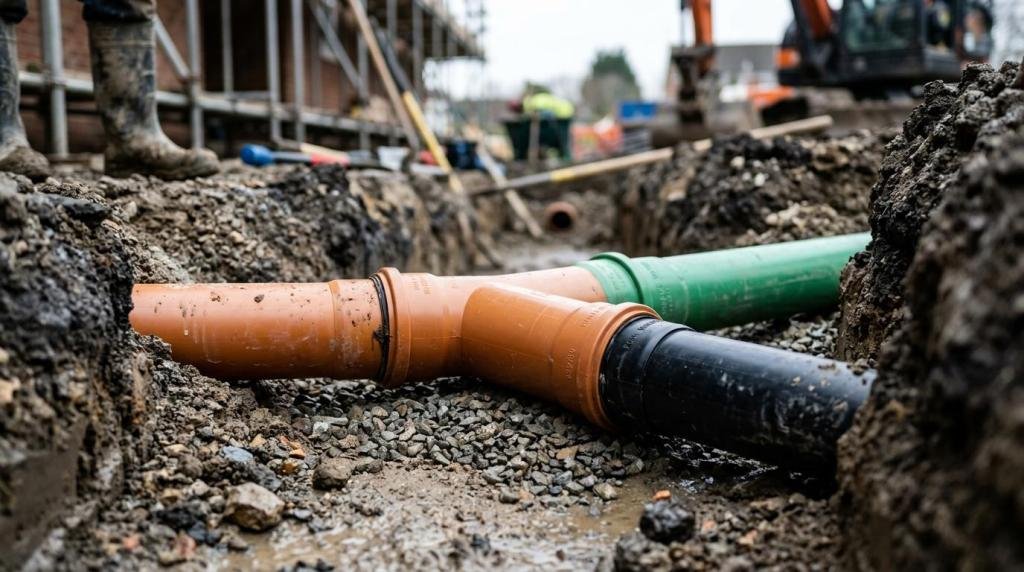
Newly installed orange, green, and black plastic drainage pipes connected in an excavated ground trench on a construction site for new builds.
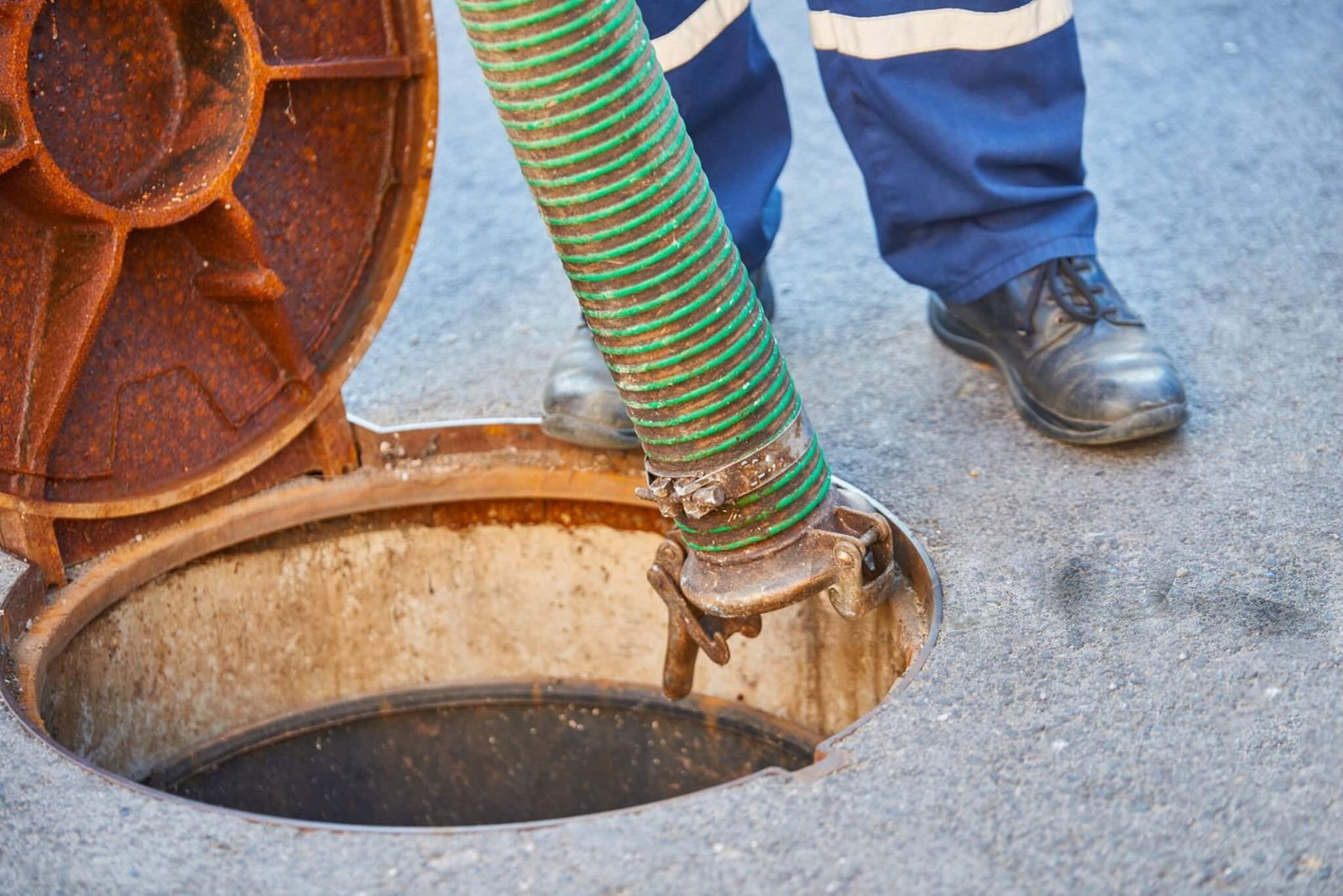
Drainage technician in work boots and reflective trousers lowering a heavy-duty green suction hose into an open circular manhole in Eastleigh.

What can an investigation help identify?

Depending on the methods used and what is accessible, an investigation may help reveal:
A clear result matters as much as the test itself. It should distinguish observed facts from suspected causes and explain where further investigation is needed.

London coverage and arranging an assessment

Hampshire Drain Expert is named and marketed as a Hampshire drainage specialist. If your property is in London, contact the team with its postcode and the work required so availability and any site arrangements can be confirmed. The business should not be presented as having a London office or London-based engineers unless those details are verified.
If the issue is a recurring blockage or a visible-pipe concern, ask whether the existing CCTV drain survey service is suitable. If a contractor or inspector has specifically requested an air or water test, send that requirement with your enquiry.
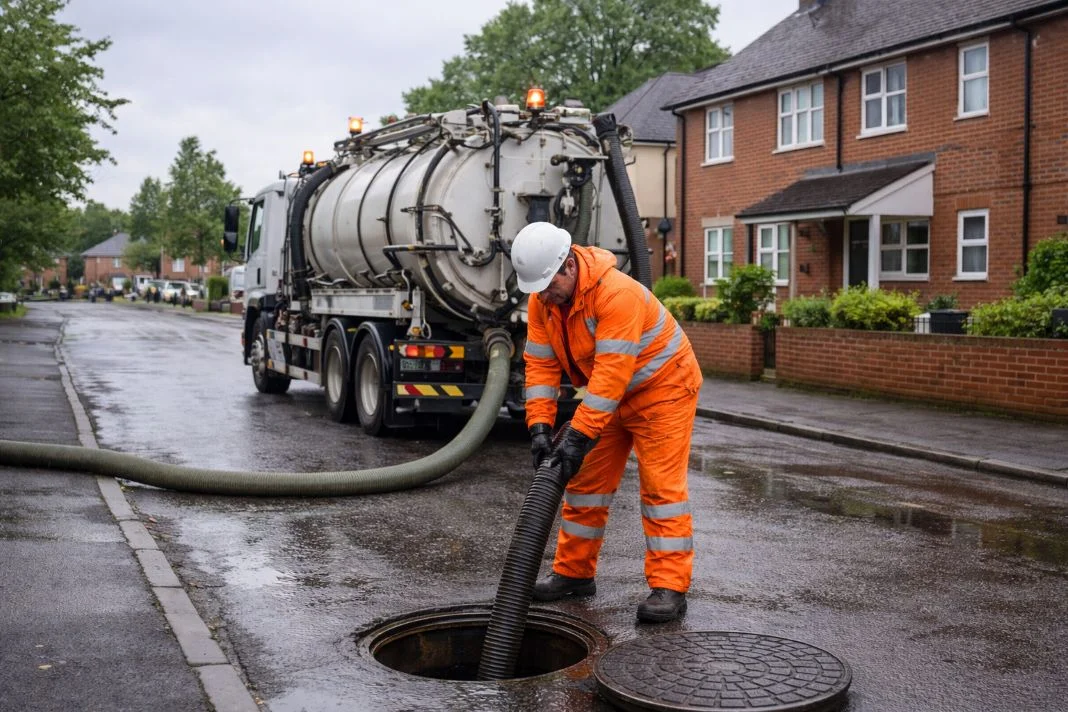
Utility worker in orange high-visibility clothing inserting a suction hose into an open manhole on a residential street next to a vacuum tanker truck.

Drainage enquiries for homes, businesses and property projects

The appropriate scope will differ by site. Drainage investigations may be relevant to:
For commercial drain testing, provide a site plan or specification if one is available. For a home, details such as the symptoms, property age, recent work and accessible inspection chambers can help shape the enquiry.

Frequently asked questions

A drain integrity test assesses an isolated section against a specified watertightness procedure. A CCTV drain survey uses a camera to inspect visible conditions inside accessible pipework. They answer different questions and may be used together.
It depends on the property and the advice you have received. Buyers commonly request a CCTV survey to investigate the visible condition of drains. A formal integrity test is a separate request; clarify what your surveyor or conveyancer needs.
A failed test can indicate that the section assessed needs further investigation. It does not necessarily identify the exact point of a leak. CCTV inspection or another targeted investigation may help narrow down the cause.
Neither is automatically right for every situation. The choice depends on the drainage system, access and the specification being followed. Share any requirement from Building Control or your project team when you enquire.
Dye can help trace where water flows or whether two accessible points are connected. On its own, it does not demonstrate that the entire drain section is watertight.
Testing may form part of the inspection requirements for new or altered drainage. Confirm the required method, timing and documentation with your Building Control body or project professional before booking.
It can reveal visible causes such as roots, displaced joints, damage, or deposits within the inspected section. What the camera can establish depends on access and pipe conditions. See our CCTV drain surveys for more detail.

Send your postcode and a description of the work through the contact page or call 07307508571. The team can confirm whether it can take on the requested investigation at your property.

Discuss your London drainage enquiry

Whether you need to investigate a suspected leak, understand a drain before buying a property or meet a construction inspection requirement, start by telling us what needs to be established. Include your London postcode, any plans or test specification, and the deadline set by your project team.