
Every drainage system needs more than pipes to carry wastewater away. It also needs a way to manage air pressure, protect water seals and allow wastewater to flow correctly. Without suitable ventilation, toilets may gurgle, sinks may release unpleasant odours and water traps may lose the seal that normally prevents foul air from entering a property.
Drainage ventilation works by allowing air to move into and, where designed, out of the drainage pipework. A properly designed drainage ventilation system helps balance pressure as wastewater passes through pipes, reducing the risk of trap siphonage and unwanted smells. In many UK properties, a soil vent pipe extends above roof level, while some installations use approved air admittance valves to admit air when negative pressure develops.
At Hampshire Drain Expert, we understand how drainage faults can affect homes and commercial properties across Hampshire. Recognising the relationship between ventilation, wastewater flow and drain condition can help property owners identify problems before they become more disruptive.
This guide explains how drainage ventilation works, why it matters, the warning signs of ventilation problems and when professional drainage assistance may be necessary.
What Is Drainage Ventilation?
Drainage ventilation is the arrangement of pipes, vents and, where appropriate, valves that manages airflow within a property’s drainage system. Its purpose is to maintain suitable air pressure while wastewater travels from sinks, toilets, baths, showers and other sanitary appliances towards the drainage network.
When water flows through a pipe, it can create changes in air pressure. Without suitable ventilation, those changes may disturb the water held inside traps beneath appliances.
Water traps act as barriers between occupied rooms and foul air inside the drainage system. Maintaining those seals is one of the main reasons ventilation is important.
Main components of a drainage ventilation system
A typical UK drainage installation may contain several components.
-
Soil vent pipe: A pipe that carries wastewater and, where open-vented, provides a route for ventilation above roof level.
-
Vent pipe: Pipework that helps manage air movement and pressure within the drainage arrangement.
-
Air admittance valve: A one-way valve designed to admit air when negative pressure occurs. It does not normally release positive pressure or sewer gases.
-
Water traps: U-shaped or similar fittings that retain water to prevent foul air entering rooms.
-
Drainage branch pipes: Pipes connecting individual appliances to the main soil stack or drainage system.
-
Underground drains: Pipes that convey wastewater away from the building towards an appropriate drainage connection.
Not every property has the same layout. The ventilation design depends on the building, the connected appliances and the applicable drainage requirements.
How Does Drainage Ventilation Work?
A drainage ventilation system works by controlling the pressure changes created when wastewater moves through pipework.
For example, flushing a toilet sends a volume of water into the soil pipe. As that water travels, it can create negative pressure behind the flow and positive pressure ahead of it.
Suitable ventilation helps manage these pressure changes so that the water held inside appliance traps remains in place.
Step 1: Wastewater enters the drainage pipe
Water leaves a toilet, basin, bath or other appliance and enters the connected waste pipe.
The wastewater then moves through the drainage network, usually relying on gravity in conventional domestic systems.
Step 2: Air pressure changes inside the pipe
As wastewater travels, air moves or becomes displaced. Inadequate ventilation can cause pressure differences that affect nearby traps.
Negative pressure may pull water from a trap, while excessive positive pressure can force air or water back towards an appliance.
Step 3: Ventilation helps equalise pressure
An open vent provides a route for air movement, helping the drainage system respond to changes in pressure.
An appropriately installed air admittance valve can admit air during negative pressure conditions, but it cannot perform every function of an open vent.
Step 4: Water seals remain protected
When the ventilation arrangement operates correctly, the water in appliance traps is less likely to be disturbed by drainage-related pressure changes.
This helps keep foul air inside the drainage network rather than allowing it to enter occupied spaces.
Why Is Drainage Ventilation Needed?
Drainage ventilation supports the safe and effective operation of a property’s wastewater system. Although the pipes may be hidden behind walls, inside service ducts or above ceilings, their ventilation arrangements play an important role.
1. Protects water trap seals
Water traps prevent unpleasant drainage gases from passing into bathrooms, kitchens and other occupied rooms.
Poor ventilation can create suction that removes some or all of the water from a trap. This is known as trap siphonage.
Once the water seal is lost, foul air may enter the room until the trap is refilled and the underlying problem is addressed.
2. Helps wastewater flow correctly
Drainage systems are designed to transport wastewater while allowing suitable air movement.
Ventilation helps prevent pressure fluctuations that could interfere with normal discharge from connected appliances.
However, ventilation cannot compensate for badly graded pipework, physical blockages or damaged drains.
3. Reduces pressure-related gurgling
Gurgling noises can occur when air moves through water inside a trap.
A poorly ventilated drainage system may produce these sounds when toilets are flushed or sinks are emptied.
Gurgling can also indicate partial blockages, so identifying the cause is important.
4. Helps manage foul air
Correctly positioned open vents provide a designated route for ventilation gases to discharge outdoors.
They must be designed and positioned appropriately to reduce the risk of gases re-entering the building through windows, air intakes or other openings.
5. Supports reliable drainage performance
Effective ventilation helps protect connected appliances from pressure-related problems.
For homeowners, landlords and commercial property managers, understanding ventilation can also make it easier to recognise when a drainage inspection is worthwhile.
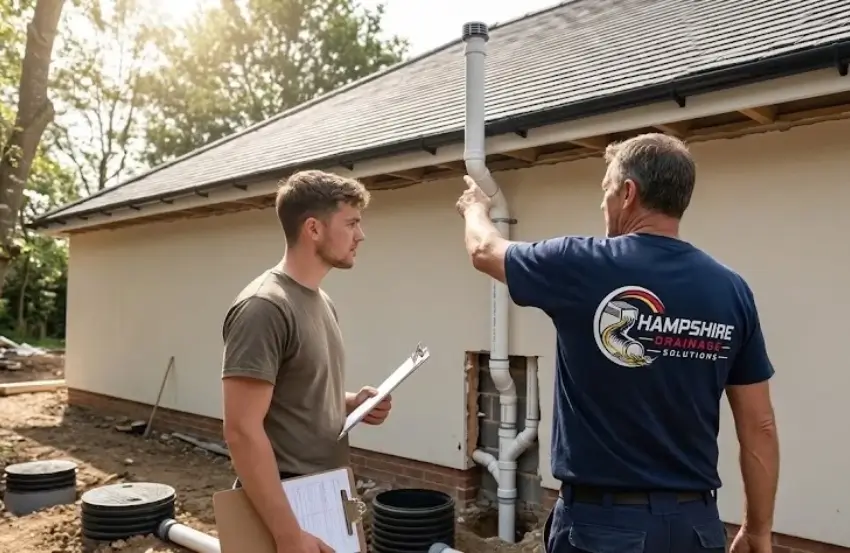
What Are the Signs of Drain Vent Pipe Problems?
Ventilation problems are not always immediately visible. In many cases, the first warning signs appear at sinks, toilets or other connected appliances.
| Warning sign | Possible explanation | Recommended action |
|---|---|---|
| Gurgling sink or toilet | Negative pressure or a partial blockage | Check whether other appliances are affected |
| Foul smell indoors | Dry trap, disturbed water seal or drainage defect | Check accessible traps and arrange investigation if persistent |
| Slow-draining appliances | Waste pipe obstruction or drainage fault | Check for local blockages |
| Toilet water level changes | Pressure fluctuations or an obstruction | Seek professional assessment |
| Bubbling in nearby traps | Air movement caused by pressure changes | Investigate shared drainage connections |
| Repeated drainage problems | Blockages, poor pipe layout or ventilation issues | Consider a drainage inspection |
These symptoms do not automatically confirm a ventilation fault. Several drainage problems produce similar warning signs.
Gurgling sounds after flushing
A sink or bath may gurgle when a nearby toilet is flushed.
This can happen when pressure changes draw air through an appliance trap.
The cause could be inadequate ventilation, but a partial blockage in the shared drainage line may produce a similar effect.
Persistent unpleasant smells
A drainage smell inside a bathroom or kitchen may indicate that the water seal in a trap has been lost.
Other possible causes include an unused appliance with a dry trap, a leaking pipe connection or a damaged drainage component.
Persistent smells should be investigated rather than automatically attributed to a blocked vent.
Changes in toilet bowl water levels
An unusual drop or fluctuation in the water level inside a toilet may indicate pressure changes in the connected drainage system.
A professional assessment may be appropriate when the problem happens repeatedly or affects multiple appliances.
What Causes Drainage Ventilation Problems?
Several factors can affect the performance of drainage ventilation.
Blocked vent pipe openings
An exposed vent terminal may become obstructed by leaves, debris, nesting material or other objects.
A blockage can restrict airflow and affect pressure management.
Vent terminals are often positioned at roof level, so inspection and clearance should be carried out by someone with appropriate equipment and safe access.
Faulty air admittance valves
Air admittance valves contain a mechanism that opens to admit air under negative pressure and closes when the pressure equalises.
A defective, incorrectly selected or poorly installed valve may fail to perform as intended.
An air admittance valve must also be suitable for the installation and positioned in accordance with relevant requirements.
Poor drainage pipe design
Incorrect pipe sizing, unsuitable connections, excessive pipe runs or inadequate ventilation arrangements can contribute to pressure problems.
Such issues may be particularly relevant when bathrooms or kitchens have been altered without reviewing the existing drainage design.
Partial drainage blockages
Accumulations of grease, debris, scale or other material can restrict wastewater flow.
A partial blockage may create symptoms that resemble ventilation problems, including gurgling and slow drainage.
This is why a diagnosis should consider both ventilation and the condition of the drainage pipes.
Alterations to existing plumbing
Building extensions, additional bathrooms and changes to kitchen layouts can affect drainage demand.
Where pipework has been modified, the existing ventilation arrangement may need to be reviewed to ensure it remains suitable.
Drainage Ventilation vs Drain Blockages: How Can You Tell the Difference?
Ventilation faults and drain blockages can cause overlapping symptoms, but they involve different underlying problems.
| Feature | Ventilation problem | Drain blockage |
|---|---|---|
| Main issue | Inadequate airflow or pressure management | Restricted wastewater flow |
| Common symptom | Gurgling or trap water disturbance | Slow drainage or backing-up water |
| Foul smells | Possible following trap seal loss | Possible due to trapped waste or other faults |
| Possible cause | Obstructed vent or faulty valve | Grease, debris, roots or pipe damage |
| Investigation | Ventilation and pipe layout assessment | Drain inspection and blockage assessment |
| Typical solution | Correct the ventilation defect | Remove obstruction or repair affected pipework |
A property can experience both problems at the same time.
For example, a restricted drainage pipe may create pressure fluctuations while also preventing wastewater from draining normally.
Professional investigation helps avoid replacing ventilation components when the actual problem lies elsewhere.
For drainage clearance information, visit our Drain Clearance Service.
How Can Drainage Ventilation Problems Be Investigated?
The appropriate investigation depends on the symptoms, the property’s drainage arrangement and the accessibility of the affected components.
Initial checks and symptom assessment
A drainage specialist may begin by asking which appliances are affected and when the symptoms occur.
Important observations include whether gurgling happens during toilet flushing, whether smells occur in particular rooms and whether multiple fixtures drain slowly.
These details can help narrow down the possible causes.
Inspection of accessible pipework
Visible waste pipes, soil stacks, traps and ventilation components can be assessed for signs of damage, leakage, incorrect connections or obstruction.
Roof-level ventilation components should only be accessed using safe working methods.
CCTV drain survey
A CCTV drain survey can help identify defects inside accessible drainage pipes, such as obstructions, displaced joints or structural damage.
However, a CCTV survey of underground drains does not automatically diagnose a roof vent or air admittance valve fault.
Both drainage condition and ventilation performance may need separate assessment.
Learn more about the company’s CCTV Drain Survey Services.
Identifying the appropriate repair
Once the cause is understood, the solution may involve clearing an obstruction, repairing damaged pipework, replacing a defective valve or correcting an unsuitable ventilation arrangement.
Modifications to soil and waste ventilation should follow applicable UK building requirements.
How Can You Prevent Drainage Ventilation Problems?
Preventative maintenance cannot eliminate every drainage fault, but it can help property owners identify issues earlier.
Keep waste pipes clear
Avoid pouring cooking fat, grease and oil into kitchen sinks.
These materials can solidify and contribute to restrictions inside drainage pipework.
Use suitable waste disposal methods instead.
Monitor unusual drainage noises
Occasional noises may not indicate a serious problem, but repeated gurgling deserves attention, especially when several appliances are affected.
Record when the noise occurs and which fixtures are in use.
This information may help a drainage specialist diagnose the issue.
Maintain water traps
Infrequently used sinks, showers and floor drains can lose water through evaporation.
Running a little water into an unused trap may restore its seal.
When smells return quickly, the problem may require further investigation.
Check accessible drainage components
Look for visible leaks, loose connections and signs of damage around accessible soil and waste pipework.
Do not dismantle shared soil stacks or sealed drainage components without appropriate expertise.
Arrange professional assessment when necessary
Repeated blockages, persistent foul odours or unusual water-level changes can justify a professional drainage assessment.
Avoid climbing onto roofs, opening inaccessible vent terminals or using corrosive drain chemicals to investigate ventilation faults.
Are Drainage Ventilation Systems Required in UK Properties?
UK building drainage systems must be designed to meet applicable building requirements, including provisions relating to wastewater discharge, trap protection and ventilation.
In England, Approved Document H: drainage and waste disposal provides guidance on drainage and waste disposal.
It addresses matters such as sanitary pipework, trap seals, pipe sizing and ventilation arrangements.
The appropriate solution depends on the building and the specific drainage layout. Not every installation requires an individual open vent for every appliance, and an air admittance valve is not a universal replacement for open ventilation.
Property owners planning extensions, new bathrooms or drainage alterations should ensure the proposed arrangement meets the relevant requirements.
Why Does Drainage Ventilation Matter for Hampshire Properties?
Homes and commercial buildings across Hampshire can have different drainage layouts depending on their age, design and subsequent alterations.
A modern home may have a different soil and waste arrangement from an older property that has undergone several bathroom or kitchen renovations.
The important consideration is not simply the property’s location but whether its drainage system has been correctly designed, maintained and adapted to its current use.
Residential drainage considerations
For homeowners and landlords in areas such as Southampton, Portsmouth and Winchester, drainage ventilation concerns may arise when additional bathrooms are installed, waste pipework is altered or repeated gurgling affects connected appliances.
The underlying issue should be established before any repair is recommended.
Commercial drainage considerations
Commercial buildings may have multiple sanitary appliances and more complex drainage arrangements.
Where several fixtures share a drainage system, pressure-related symptoms can affect more than one area of the property.
Facilities managers should record recurring symptoms and arrange appropriate investigation rather than relying on temporary measures.
When local drainage support is useful
Hampshire Drain Expert provides drainage services, including blocked drain clearance, CCTV drain surveys and drain repairs.
Where ventilation-related symptoms may be linked to a blockage or damaged drainage pipe, a professional drainage assessment can help identify the next appropriate step.
Contact Hampshire Drain Expert to discuss the symptoms affecting your property.
Frequently Asked Questions About Drainage Ventilation
1. Why do drains need ventilation?
Drains need suitable ventilation to manage air pressure as wastewater flows through pipes. Correct ventilation helps protect the water seals inside appliance traps and reduces the risk of pressure-related gurgling and foul smells.
2. What happens when a drain vent pipe is blocked?
A blocked vent pipe can restrict airflow and contribute to pressure fluctuations, gurgling or loss of trap water seals. Similar symptoms can result from drainage blockages, so the cause should be checked before repairs are undertaken.
3. Can poor drainage ventilation cause sewer smells?
Yes. Poor ventilation can contribute to pressure changes that disturb water traps, potentially allowing foul air into rooms. Dry traps, leaking connections and damaged drainage pipes can also cause unpleasant smells.
4. Is an air admittance valve the same as a soil vent pipe?
No. An air admittance valve admits air when negative pressure occurs, whereas an open soil vent pipe can allow air movement in both directions. Valves must be suitable for the installation and do not replace every open vent requirement.
5. Can a CCTV drain survey identify ventilation problems?
A CCTV drain survey can reveal obstructions and defects inside accessible drainage pipes that may cause symptoms resembling ventilation faults. However, ventilation components and pressure-related issues may require additional checks.
Conclusion: Why Proper Drainage Ventilation Matters
A reliable drainage system depends on both effective wastewater flow and suitable air pressure management. Correct ventilation helps protect trap seals, reduces pressure-related disturbances and supports the normal operation of toilets, sinks, baths and other connected appliances.
Gurgling, persistent odours and unusual water-level changes may suggest a ventilation issue, but they can also indicate a blockage or another drainage defect. Identifying the actual cause is essential before choosing a repair.
For property owners and managers across Hampshire, understanding these warning signs can help prevent unnecessary work and support better drainage maintenance.
Need Help With a Drainage Problem in Hampshire?
Hampshire Drain Expert can assist with drainage investigations, blocked drains and related pipework problems. Contact our team to discuss your concerns and arrange appropriate assistance.