
A drainage engineer can investigate blocked pipes, recurring drainage problems, unpleasant smells and suspected damage more effectively when the property is ready for inspection. Preparing for a drainage visit involves clearing access to drains, identifying problem areas, recording warning signs and keeping the working environment safe.
Homeowners, landlords and property managers do not need specialist equipment or technical drainage knowledge before an appointment. Simple preparations, such as moving vehicles away from inspection chambers, keeping pets indoors and explaining when a blockage first appeared, can make the assessment more straightforward.
Hampshire Drain Expert helps residential and commercial customers across Hampshire with drainage inspections, blocked drain clearance, repairs and maintenance. Understanding what to expect during a drainage engineer visit can help property owners communicate the problem clearly and make informed decisions about the next steps.
This guide explains how to prepare for a drainage inspection, what information to have available and which precautions matter most. It also includes a practical checklist for customers in Southampton, Portsmouth, Winchester, Basingstoke and other areas of Hampshire.
Why Is Preparing for a Drainage Visit Important?
Drainage problems are not always visible from inside a property. A slow-draining sink could indicate a local blockage, while several affected fixtures may point to an issue further along the drainage system.
Preparing the property helps the drainage engineer understand the symptoms, identify accessible inspection points and decide which investigations may be appropriate.
Good preparation can also reduce unnecessary interruptions. An inspection chamber hidden beneath garden furniture, for example, may need to be made accessible before certain checks can begin.
Preparation is particularly useful when drainage problems are intermittent. A drain may appear to work normally when the engineer arrives, even though it has repeatedly backed up during heavy use.
A clear description of previous incidents can therefore be just as valuable as access to the affected area.
What Are the Benefits of Preparing in Advance?
There are several practical advantages:
- Easier access: Engineers can reach visible inspection chambers and affected drainage fixtures.
- Clearer communication: Recorded symptoms help explain the history of the problem.
- Improved safety: Removing unnecessary obstacles reduces potential hazards.
- Better decision-making: Property owners can discuss findings and possible solutions with the engineer.
- Less disruption: Residents, tenants and staff can plan around the inspection.
Preparation does not guarantee that an issue will be identified immediately. Some faults require further investigation, specialist equipment or access arrangements.
What Should You Do Before a Drainage Engineer Arrives?
The most useful preparations involve access, safety, information and communication.
1. Identify the Areas Affected by the Drainage Problem
Start by noting which fixtures or drains are causing difficulties.
These might include kitchen sinks, toilets, showers, baths, outdoor gullies or inspection chambers.
Pay attention to whether the issue affects one fixture or several. Multiple fixtures backing up together may suggest a problem within a shared section of pipework.
Make a note of any recurring symptoms, including:
- Water draining more slowly than usual.
- Gurgling sounds from sinks or toilets.
- Wastewater returning through a drain.
- Unpleasant smells near drainage outlets.
- Standing water around external gullies.
- Blockages that return after temporary clearance.
These observations can help the engineer decide where to begin.
For further information about identifying drainage problems, read our guide to warning signs that you need emergency drain unblocking.
2. Clear Access to Drainage Inspection Points
Drainage engineers may need access to external inspection chambers, gullies and internal plumbing fixtures.
Before the appointment, check whether any visible access points are obstructed.
Move lightweight items such as plant pots, bins, garden furniture and loose storage boxes where it is safe to do so.
Keep driveways and pathways reasonably clear when possible.
Inside the property, remove belongings from around affected sinks, toilets or other fixtures that may need examination.
Important: Do not lift heavy manhole covers, enter inspection chambers or attempt to open damaged drainage structures. These activities can involve hazardous gases, contaminated wastewater and physical injury.
Leave specialist access work to trained professionals.
3. Make Sure the Working Area Is Safe
A drainage inspection may involve wet surfaces, contaminated water, hoses or equipment.
Keep children and pets away from affected drains and potential working areas.
Avoid placing electrical appliances or extension leads near standing water.
Where wastewater has overflowed, restrict access to the affected space and avoid direct contact.
Do not use chemical drain cleaners immediately before the visit. Tell the engineer about any products already poured into the system, including their names and approximate quantities.
Chemical products can create additional risks during drain clearance or inspection.
4. Record When the Drainage Problem Started
A simple timeline can help explain an intermittent or recurring issue.
Consider the following questions:
- When did the drainage problem first appear?
- Has it happened before?
- Does it affect one drain or several?
- Does it become worse during rainfall?
- Has any previous drainage work been completed?
- Have any chemical cleaning products been used?
- Does the problem occur only when certain appliances are running?
Photographs or short videos of overflowing drains, unusual water levels or recurring symptoms can also be useful.
Only take photographs from a safe location. Never enter a flooded chamber or contaminated area to gather evidence.
5. Locate Previous Drainage Documents
Some properties have records from earlier CCTV surveys, drainage repairs, extensions or maintenance visits.
These documents may help an engineer understand the known drainage layout and previous problems.
Useful records include previous inspection reports, drainage drawings, repair invoices and relevant building work documents.
A landlord or managing agent may also have information about earlier complaints or drainage maintenance.
There is no need to obtain documents that are unavailable. Simply share any relevant information already held.
Drainage Inspection Preparation Checklist
Use the following checklist before the appointment.
| Preparation task | Why it matters | Priority |
|---|---|---|
| Identify affected drains | Helps explain the symptoms | High |
| Clear visible access points | Makes inspection easier | High |
| Keep children and pets away | Reduces safety risks | High |
| Record recurring problems | Provides useful fault history | High |
| Avoid chemical drain cleaners | Helps prevent exposure risks | High |
| Gather previous drainage reports | Provides background information | Medium |
| Arrange access for tenants or staff | Avoids unnecessary disruption | High |
| Move vehicles where appropriate | Keeps access routes available | Medium |
| Prepare questions for the engineer | Supports informed decisions | Medium |
| Take safe photographs of symptoms | Documents intermittent issues | Medium |
This drainage inspection preparation checklist is suitable for most residential properties and can be adapted for commercial buildings.
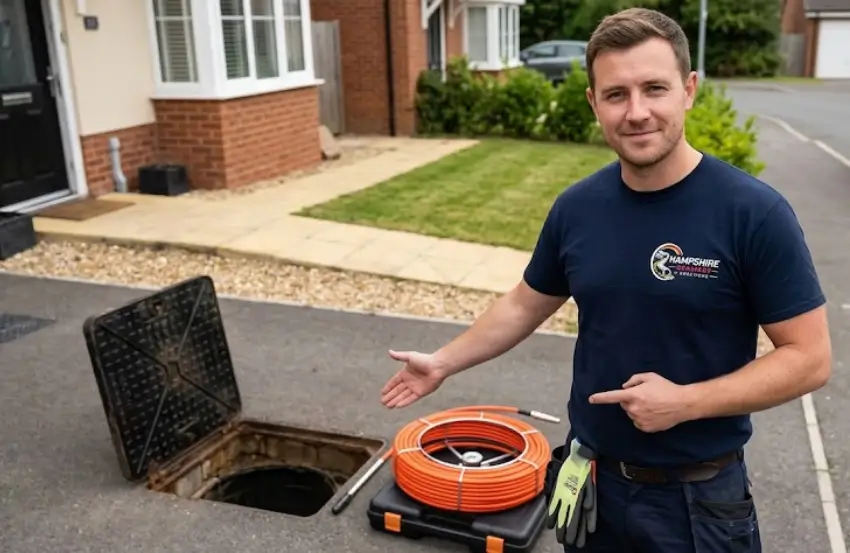
What Should You Expect During a Drainage Engineer Visit?
The inspection process depends on the nature of the problem, the drainage system and the service arranged.
A straightforward blockage investigation may require different steps from a detailed CCTV drain survey or an assessment of suspected pipe damage.
Initial Discussion and Problem Assessment
The engineer will usually need to understand the reported symptoms and their history.
Explain which drains are affected, how often the issue occurs and whether any previous attempts have been made to clear it.
Mention any recent building work, recurring flooding or known pipe damage.
Accurate information is more useful than trying to diagnose the fault yourself.
Visual Inspection of Accessible Drainage Areas
An engineer may examine accessible drainage fixtures, gullies, inspection chambers and surrounding areas.
The purpose is to identify visible signs of restriction, overflow, damage or unusual water movement.
Some investigations may be limited by inaccessible chambers, concealed pipework or unsafe conditions.
CCTV Drain Inspection Where Appropriate
A CCTV drain survey uses a specialist camera to examine the inside of suitable drainage pipes.
Depending on access and pipe condition, it may help identify cracks, displaced joints, root intrusion, obstructions or other defects.
Not every drainage appointment requires CCTV equipment. The need for a camera inspection depends on the problem being investigated.
A CCTV survey can be particularly useful when blockages repeatedly return or when hidden pipe damage is suspected.
Discussion of Findings and Possible Solutions
After the assessment, the engineer should explain the available findings and any limitations.
Possible next steps may involve drain clearance, further investigation, cleaning, repair or relining, depending on the confirmed condition of the system.
Ask which problems have been identified, what evidence supports the recommendation and whether additional work is required.
For more information about pipe damage and repair options, see our article on drain repair and pipe relining in Hampshire.
How Should You Prepare for Different Types of Drainage Appointments?
Different drainage services may require slightly different preparations.
Preparing for a Blocked Drain Clearance Visit
For a blocked drain, identify which fixtures are affected and stop using them where continued use could cause wastewater to overflow.
Avoid repeated flushing or running taps to test a drain that is already backing up.
Do not dismantle pipework or attempt to force a blockage through with improvised tools.
Where safe, clear access around the affected fixture and any visible external drainage points.
Explain whether the blockage developed suddenly or gradually.
Preparing for a CCTV Drain Survey
Before a CCTV survey, gather any existing drainage plans or previous inspection reports.
Tell the engineer about recurring blockages, suspected pipe damage or areas where water has repeatedly backed up.
Accessible inspection points can make camera entry easier, although the engineer must determine the appropriate access method.
A pipe may need clearing before useful footage can be obtained, particularly where a blockage prevents the camera from travelling through the system.
Preparing for a Drain Repair Assessment
For suspected pipe damage, describe any recurring problems and provide relevant photographs or earlier reports.
Mention visible ground movement, recurring wastewater leaks or drainage problems that began after construction work.
Do not excavate around suspected underground drainage pipes yourself.
The engineer may need further investigation before recommending excavation, patch repairs or relining.
Preparing for Routine Drain Maintenance
Routine maintenance appointments benefit from accurate records of previous drainage work.
For commercial properties, maintenance schedules, previous incidents and site access procedures may also be relevant.
Property managers should identify a suitable contact person who can explain the drainage layout and any operational restrictions.
How Can Landlords and Property Managers Prepare?
Landlords and managing agents often need to coordinate drainage appointments with tenants, maintenance contractors and property owners.
Good communication helps everyone understand which areas may need access.
Inform Occupants About the Appointment
Tell residents or building users when the drainage visit is scheduled and which parts of the property may need to be accessed.
Arrange lawful and appropriate access in accordance with the tenancy agreement and applicable requirements.
Do not assume that a contractor can enter an occupied property without the necessary permission.
Gather Information From Tenants
Tenants may have noticed drainage symptoms that are not obvious during the appointment.
Ask whether sinks drain slowly, toilets make unusual noises or wastewater has previously backed up.
Share this information with the engineer without including unnecessary personal details.
Coordinate Shared Drainage Access
Flats, converted properties and commercial premises may have drainage systems that serve several units.
Access arrangements can be more complicated when inspection chambers are located in shared spaces or restricted areas.
Identify the relevant building manager or responsible contact before the appointment.
Where ownership or responsibility for the drainage system is unclear, further checks may be needed.
What Should Hampshire Property Owners Consider?
Properties across Hampshire vary in age, layout and drainage design.
A modern development in Basingstoke may have different inspection access arrangements from an older terraced property in Portsmouth or a rural home outside Winchester.
The age or location of a property alone does not establish the condition of its drains.
The most useful approach is to focus on the actual drainage symptoms, available records and safe access arrangements.
Older Properties and Extensions
Older buildings may have undergone alterations that changed their drainage layout.
Extensions, converted garages and additional bathrooms can introduce new connections or make existing inspection points harder to locate.
Tell the engineer about known building alterations, especially where drainage problems began after the work.
Shared Drainage Systems
Some drainage pipes serve more than one property.
Responsibility for maintenance or repair depends on whether the affected pipe is a private drain, shared lateral drain or public sewer, along with the relevant ownership arrangements.
In England, many shared lateral drains and sewers are the responsibility of the local sewerage company, although exceptions apply.
For general information about water and sewerage services, visit Ofwat.
Heavy Rainfall and Surface Water
Drainage symptoms sometimes become more noticeable during periods of heavy rain.
External gullies, surface water drainage and underground pipes may behave differently depending on the system and conditions.
Record whether the issue occurs during rainfall or continues in dry weather.
For official flood warnings and guidance in England, consult the Environment Agency flood information service.
What Should You Avoid Before a Drainage Inspection?
Some attempted preparations can make a drainage problem more difficult or create avoidable risks.
Do Not Use Strong Chemical Drain Cleaners
Chemical drain cleaners may not resolve deeper drainage obstructions and can create hazards for anyone subsequently working on the system.
Tell the engineer when such products have already been used.
Do Not Open Underground Drainage Chambers Yourself
Inspection chambers and manholes may contain hazardous atmospheres, contaminated water or damaged components.
Heavy covers can also cause serious injuries.
There is no need to open these structures before a professional appointment.
Do Not Continue Using Overflowing Fixtures
When wastewater is returning through a toilet, shower or external drain, continued water use can worsen the overflow.
Reduce or stop using affected fixtures where safe and practical until the situation has been assessed.
Do Not Hide Previous Drainage Problems
Previous blockages, repairs and unsuccessful DIY attempts are relevant information.
Sharing them helps the engineer build a more complete understanding of the issue.
What Questions Should You Ask the Drainage Engineer?
A drainage visit is also an opportunity to understand the condition of your property’s drainage system.
Useful questions include:
- What appears to be causing the drainage problem?
- Has the cause been confirmed, or is further investigation required?
- Would a CCTV drain survey provide useful additional evidence?
- Are there any immediate safety or wastewater concerns?
- What repair or maintenance options are appropriate?
- Is there anything I should avoid using until the issue is resolved?
- Can you explain the findings and recommended next steps?
For larger repairs, ask about the proposed scope of work and any information available to support the recommendation.
Understanding the problem before agreeing to additional work can help avoid unnecessary confusion.
How Can You Reduce Drainage Problems After the Visit?
Once a drainage issue has been assessed or resolved, sensible everyday habits can help reduce the likelihood of some future blockages.
Avoid pouring cooking fats and oils down kitchen sinks. As they cool, fats can accumulate within drainage pipes.
Only flush toilet paper and human waste. Wet wipes, sanitary products and other unsuitable materials can contribute to blockages.
Keep external gullies reasonably clear of leaves and loose surface debris, without opening underground chambers or entering unsafe areas.
Pay attention to recurring symptoms rather than repeatedly treating them as isolated problems.
A drain that blocks again shortly after clearance may need further investigation to identify an underlying cause.
For additional guidance on preventing sewer blockages, consult Water UK.
Professional drainage maintenance may also be appropriate for properties with repeated problems or systems that require planned inspections.
Frequently Asked Questions About Preparing for a Drainage Visit
1. How do I prepare for a drainage inspection?
Clear safe access to affected drains and visible inspection points, record the symptoms and gather any previous drainage reports. Keep children and pets away from the working area and inform the engineer about chemicals already used.
2. Do I need to find the manhole before the drainage engineer arrives?
Knowing where an inspection chamber is located can be helpful, but it is not always necessary. Check for visible access points without lifting heavy covers, excavating or entering unsafe areas.
3. Can I use my toilet or sink before a drainage inspection?
This depends on the problem. When wastewater is backing up or a fixture is overflowing, avoid using the affected drainage system where practical. Ask the drainage company for advice when arranging the visit.
4. How long does a drainage engineer visit take?
The duration depends on the drainage problem, access conditions and work required. A visual assessment, blockage investigation and detailed CCTV survey can take different amounts of time. Ask the company for an estimate based on your appointment.
5. Should I prepare anything for a CCTV drain survey?
Gather previous drainage plans or reports, identify recurring symptoms and make visible access points safely accessible. The engineer will determine whether the pipe needs clearing or additional preparation before the camera inspection.
Conclusion: Prepare Your Property for a More Effective Drainage Visit
Preparing for a drainage visit does not need to be complicated. Clear access, accurate information and sensible safety precautions can help the engineer investigate the problem and explain the available options.
Whether the appointment concerns a blocked toilet, recurring drainage issue, suspected pipe damage or a planned inspection, knowing what to expect can make the experience more manageable.